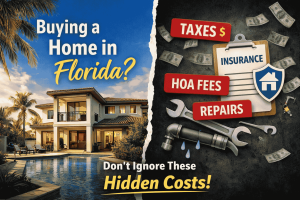

Property taxes are one of the biggest ongoing expenses for homeowners across the United States — and in Florida, lawmakers are now pushing some of the most ambitious reforms in years. With the 2026 legislative session underway, discussions around Florida property tax cuts have gathered momentum, driven largely by rising housing costs, affordability concerns, and political pressure ahead of the 2026 midterm elections.
For anyone involved in Florida real estate — whether you’re a homeowner, buyer, seller, or investor — these discussions matter. Changes to property taxes can directly affect monthly housing costs, long-term affordability, and even home values. Below is a clear, real-estate-focused breakdown of what’s happening, what’s being proposed, and what it could mean for the Florida housing market.
Why Florida Property Tax Cuts Are a Big Deal
Florida already attracts new residents thanks to warm weather, job growth, and the absence of a state income tax. However, that also means local governments rely heavily on property taxes to fund schools, public safety, infrastructure, and essential services.
Over the past few years, home values across Florida have increased sharply. While rising values benefit sellers, they’ve also pushed property tax bills higher — even for homeowners who haven’t moved or renovated. As a result, property tax relief has become one of the most talked-about affordability issues in the state.
Lawmakers are now under pressure to act, especially as voters increasingly link high housing costs with taxes and insurance. The push for Florida property tax cuts is being framed as a way to keep long-time residents in their homes while maintaining Florida’s appeal to new buyers.
What Florida Lawmakers Are Proposing
There is no single property tax plan yet. Instead, lawmakers are debating several different ideas, many of which would require voter approval through a constitutional amendment in November 2026.
1. Eliminating Non-School Property Taxes
One of the most talked-about proposals would eliminate all non-school property taxes on homestead properties. This means homeowners would still pay taxes that fund public schools, but county, city, and special district taxes could be removed.
Another version of this idea would phase out non-school property taxes gradually over several years. Supporters argue this would give local governments time to adjust budgets while still offering meaningful relief to homeowners.
2. Expanding the Homestead Exemption
Some lawmakers support significantly increasing the homestead exemption. This would reduce the taxable value of owner-occupied homes, lowering annual tax bills without fully eliminating property taxes.
There are also proposals that would add additional percentage-based exemptions after the current homestead exemption is applied, providing extra relief for middle-income homeowners.
3. Targeted Relief for Seniors and Long-Time Residents
Several proposals focus on homeowners aged 65 and older. These plans aim to reduce or eliminate property taxes for seniors who have lived in their homes for many years and may be living on fixed incomes.
Other ideas include removing limits on portability, allowing homeowners to carry more of their tax benefits when moving to a new primary residence.
4. Limiting How Fast Property Taxes Can Rise
Rather than cutting taxes outright, some lawmakers want to limit how quickly property assessments — and therefore taxes — can increase. This approach focuses on long-term stability, helping homeowners avoid sudden spikes in their tax bills during periods of rapid price growth.

How Florida Property Tax Cuts Could Help Homeowners
If approved, property tax reductions could have a noticeable impact on household finances.
Lower Cost of Ownership
For many homeowners, property taxes rival insurance and maintenance as one of the largest annual expenses. Reducing or eliminating certain taxes could save homeowners thousands of dollars per year.
Improved Affordability for Buyers
Lower property taxes can improve affordability for buyers by reducing the total monthly cost of owning a home. This is especially important in high-priced markets where buyers already face elevated mortgage payments and insurance premiums.
Increased Market Confidence
Tax relief can boost buyer confidence, encouraging hesitant buyers to enter the market. In turn, this may support steady demand across Florida’s real estate markets.
Potential Concerns and Trade-Offs
While Florida property tax cuts sound appealing, they come with real trade-offs that homeowners and buyers should understand.
Reduced Funding for Local Services
Property taxes fund essential services like police, fire departments, road maintenance, and libraries. Large reductions could force local governments to cut services or find new revenue sources.
Possible Shifts to Other Taxes
If property tax revenue declines, lawmakers may consider raising sales taxes or fees to compensate. This could affect residents differently depending on income and spending habits.
Uneven Impact Across Communities
Some counties depend more heavily on property taxes than others. As a result, the effects of tax cuts could vary widely across Florida, influencing local service quality and long-term community development.
What This Means for the Florida Real Estate Market
From a real estate perspective, property tax reform could influence buyer behavior, pricing trends, and long-term investment decisions.
- Buyers may factor potential tax savings into purchase decisions
- Sellers could benefit from increased demand in areas where taxes are reduced
- Investors may see improved cash flow on owner-occupied properties, though rental properties may see fewer benefits
However, the final impact will depend on which proposals advance, whether voters approve them, and how local governments respond.
Frequently Asked Questions (FAQ)
What are Florida property tax cuts?
Florida property tax cuts refer to proposed legislative changes aimed at reducing or eliminating certain local property taxes, particularly for owner-occupied homes.
Who would benefit the most from these tax cuts?
Homeowners with homestead exemptions — especially long-time residents and seniors — would likely benefit the most under current proposals.
Will rental and commercial properties see tax cuts?
Most proposals focus on primary residences. Rental and commercial properties would likely continue paying property taxes under existing structures.
When could these tax cuts take effect?
If approved by voters in November 2026, changes could begin as early as 2027 or be phased in over several years.
Could cutting property taxes increase other taxes?
Yes. If local governments lose revenue, they may increase sales taxes, fees, or other charges to maintain public services.
Final Thoughts
The debate over Florida property tax cuts is one of the most important real estate-related issues heading into 2026. While tax relief could improve affordability and attract buyers, it also raises questions about funding local services and long-term community stability.
For homeowners, buyers, and investors, staying informed is essential. As proposals evolve and voters prepare to decide, these potential changes could shape Florida’s real estate market for years to come.
Sources
- Florida Trend Real Estate — A rundown of ideas Florida lawmakers have so far to cut property taxes (Published February 2, 2026)
- Florida House of Representatives — Property Tax Reform Proposals (2026 Session)