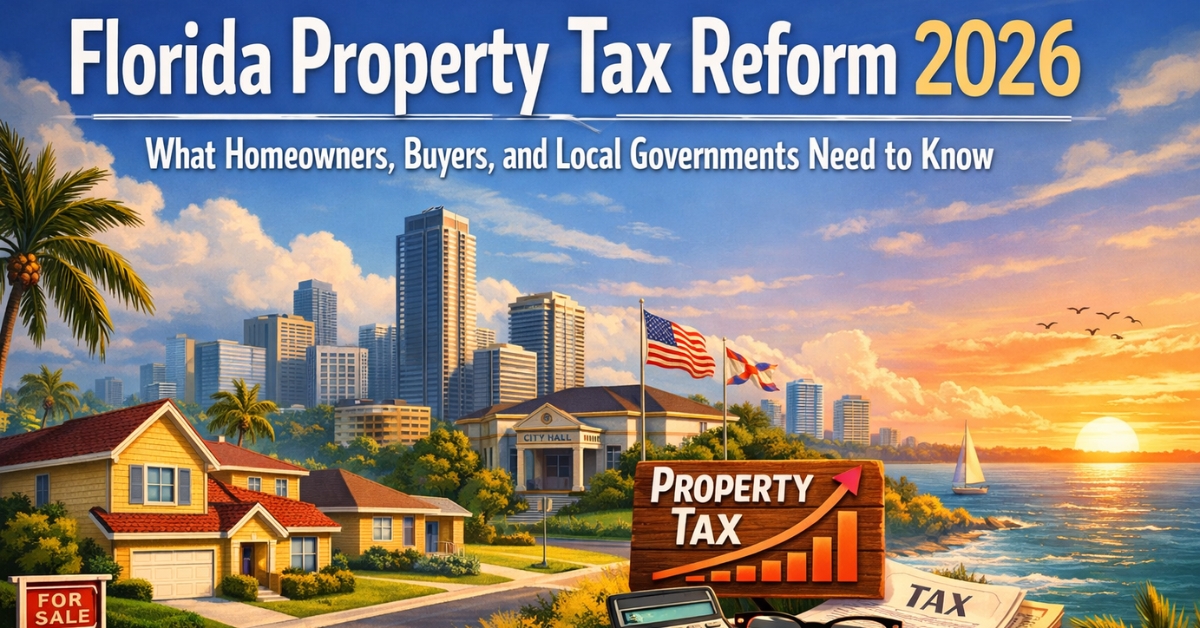

Florida’s property tax system may be on the verge of its biggest transformation in decades. As state leaders push for sweeping tax reforms heading into 2026, homeowners, real estate investors, and local governments are all watching closely. Supporters argue that property tax relief is long overdue, while critics warn that cutting or eliminating property taxes could jeopardize essential services like police, fire rescue, and emergency response.
This debate is no longer theoretical. With the 2026 legislative session approaching, proposals are gaining momentum, and the outcome could reshape how Florida funds its communities. Here’s a clear, balanced breakdown of what’s happening, why it matters, and what it could mean for you.
Why Property Tax Reform Is Being Pushed Now
For many Florida homeowners, property taxes have climbed sharply over the past several years. Rising home values, population growth, and increased local government budgets have combined to create higher tax bills, even for longtime residents protected by homestead exemptions.
State leaders, including lawmakers and executive officials, argue that local governments are collecting more revenue than ever before. Estimates place statewide property tax collections at nearly $60 billion annually. Reform advocates believe there is room to reduce that burden without sacrificing service quality.
The timing is also political and economic. Florida continues to attract new residents, tourism remains strong, and sales tax revenues are high. Supporters of reform say this creates an opportunity to rethink how the state funds local governments while offering relief to homeowners who feel squeezed by rising costs.
What Lawmakers Are Proposing
While no single, finalized plan exists yet, several ideas are being discussed:
- Significant reductions in local property tax rates
- Elimination of certain non-school property taxes
- Caps on how much local governments can increase property tax revenue year over year
- Shifting some funding responsibility to state-level revenues, such as sales taxes
Importantly, most proposals focus on local property taxes, not school district taxes, which are often protected by separate constitutional requirements.
If approved, some of these changes could require voter approval through a statewide ballot amendment in 2026.
The Concerns From Cities and Counties
Local officials across Florida have been vocal in their opposition to aggressive property tax cuts. Their concern is straightforward: property taxes are the primary funding source for essential local services.
City and county leaders warn that major reductions could impact:
- Police and sheriff’s departments
- Fire rescue and emergency medical services
- Disaster preparedness and hurricane response
- Parks, recreation programs, and libraries
- Road maintenance and infrastructure projects
Many local leaders argue that while homeowners want lower taxes, residents also expect fast emergency response times, safe neighborhoods, and well-maintained public spaces. Without a guaranteed replacement revenue source, they say service reductions would be unavoidable.
Some officials have gone as far as questioning whether the state fully understands the operational realities at the local level.

Could Sales Taxes Replace Property Taxes?
One of the most frequently discussed alternatives is raising or expanding sales taxes to offset lost property tax revenue. Florida already relies heavily on sales taxes due to its lack of a state income tax.
Supporters say this approach would:
- Shift more of the tax burden to tourists
- Reduce fixed housing-related costs for residents
- Better align taxes with consumption
Critics counter that higher sales taxes disproportionately affect lower-income households and retirees on fixed incomes. They also warn that sales tax revenue can fluctuate significantly during economic downturns, unlike the relatively stable nature of property taxes.
So far, no detailed plan has been released showing exactly how much sales taxes would need to increase or how the revenue would be distributed to local governments.
What This Means for Homeowners
For homeowners, the potential benefits are clear: lower property tax bills could make homeownership more affordable, especially for families facing rising insurance costs and maintenance expenses.
However, there are trade-offs to consider. Reduced funding could mean fewer services, longer emergency response times, or higher fees for things that are currently tax-supported.
Homeowners should also remember that property taxes help support community amenities that directly impact quality of life and property values. A lower tax bill may not feel like a win if neighborhood services decline.
Implications for Buyers and Real Estate Investors
If property taxes are significantly reduced, Florida could become even more attractive to buyers relocating from high-tax states. Lower recurring ownership costs can improve affordability ratios and increase purchasing power.
For investors, reduced property taxes could improve cash flow, especially on rental properties. However, uncertainty during the transition period could also affect local budgets, zoning decisions, and infrastructure investment, all of which influence long-term property values.
The real estate market thrives on stability, and abrupt tax changes can introduce short-term uncertainty even if the long-term outlook is positive.
Why 2026 Is a Pivotal Year
The coming year is critical because any major property tax overhaul will require legislative approval and, in many cases, voter support. Lawmakers must also reconcile competing priorities: tax relief, fiscal responsibility, and public safety.
As proposals move forward, expect intense debate, public hearings, and advocacy campaigns on both sides. Homeowners and business owners may be asked to weigh immediate savings against potential long-term impacts on their communities.
Frequently Asked Questions (FAQ)
Will Florida completely eliminate property taxes in 2026?
At this point, full elimination is unlikely. Most proposals focus on reducing or restructuring local property taxes rather than removing them entirely.
Will school taxes be affected?
Most discussions exclude school district property taxes, which are typically protected and funded separately.
Could my sales tax go up instead?
Possibly. Sales tax increases are frequently mentioned as a way to replace lost revenue, but no specific plan has been finalized.
When will homeowners know for sure?
Major decisions are expected during the 2026 legislative session, with some changes potentially going to voters in a statewide election.
How can residents voice their opinion?
Residents can attend local government meetings, contact state legislators, and stay informed as proposals are debated publicly.
Final Thoughts
Florida’s property tax reform debate reflects a broader question: how should fast-growing states fund local services without overburdening residents? The answer won’t be simple, and the outcome will affect homeowners, renters, investors, and communities statewide.
As 2026 approaches, staying informed is essential. Whether you support lower taxes or worry about service cuts, understanding the full picture will help you make informed decisions — and informed votes — in the year ahead.
Referral & Source
For the original reporting and continued updates on this issue, visit:
👉 https://www.wptv.com/money/real-estate-news/florida-property-tax-reform-2026-could-be-pivotal-year
This blog is for informational purposes only and does not constitute legal or tax advice.