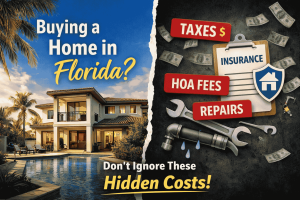

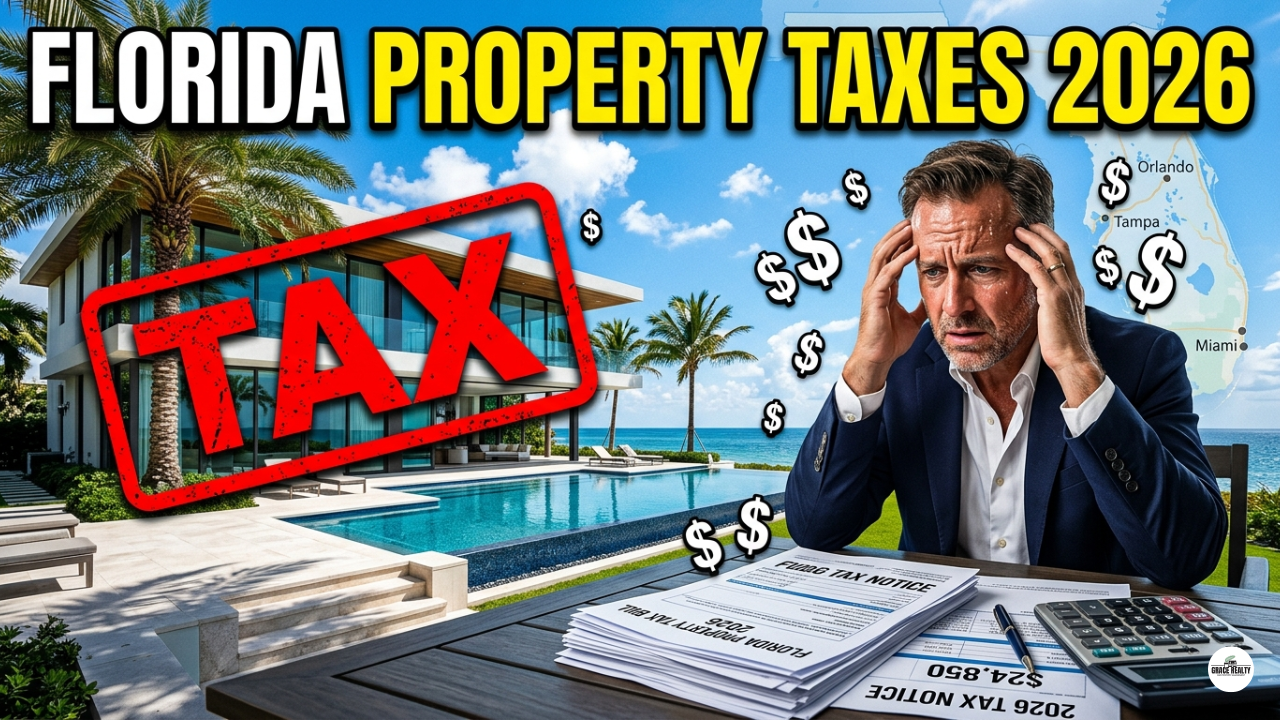

If you’re planning to buy property in Florida in 2026, understanding property taxes isn’t optional—it’s essential.
Florida is often marketed as a “tax-friendly” state, but that doesn’t mean property taxes are low across the board. The truth? Taxes vary significantly based on location, property value, and exemptions.
In this guide, we’ll break down exactly how Florida property taxes work, how much you’ll pay, and how to legally reduce your tax burden.
📊 How Property Taxes Work in Florida
Florida property taxes are based on the assessed value of your property, determined by the county property appraiser.
The Formula:
Property Tax = Assessed Value × Millage Rate
- Assessed Value → Value assigned by the county
- Millage Rate → Tax rate set by local governments
👉 1 mill = $1 per $1,000 of property value
💰 Average Property Tax Rates in Florida (2026)
Florida’s average effective property tax rate is around 0.80% – 1.10%, which is lower than the national average.
Example:
- Property Value: $400,000
- Tax Rate: 1%
- Annual Property Tax: $4,000
However, rates vary widely depending on the city and county.
📍 Property Tax by Major Florida Cities
Here’s a rough comparison:
- Miami: 0.9% – 1.1%
- Orlando: 0.8% – 1.0%
- Tampa: 0.9% – 1.2%
- Jacksonville: 0.8% – 1.1%
👉 Insight: Lower purchase price areas often have slightly higher tax rates—and vice versa.
🏠 What Determines Your Property Tax?
Several factors impact how much you’ll pay:
1. Property Value
The higher your home value, the higher your taxes.
2. Location
Taxes differ by county, school district, and municipality.
3. Property Type
- Primary residence
- Rental property
- Commercial property
Each category has different tax implications.
🧾 Homestead Exemption (Biggest Tax Saver)
If you live in the property as your primary residence, you can qualify for the Homestead Exemption.
Benefits:
- Up to $50,000 reduction in taxable value
- Limits annual increase in assessed value (Save Our Homes cap)
Example:
- Property Value: $400,000
- After Exemption: $350,000 taxable
- You save hundreds to thousands yearly
👉 This is one of the biggest reasons Florida is attractive for homeowners.
📉 Save Our Homes Cap (Hidden Advantage)
Florida limits how much your property’s assessed value can increase annually:
- Max increase: 3% per year (or CPI, whichever is lower)
👉 This protects long-term homeowners from sudden tax spikes—even if market value jumps.
🏖️ Property Taxes for Investors & Airbnb Owners
If you’re investing (especially Airbnb), here’s what you need to know:
❌ No Homestead Exemption
Investment properties don’t qualify.
📈 Higher Tax Burden
Your taxes may increase faster since there’s no cap like primary homes.
⚠️ Reassessment Risk
If you buy a property, it may be reassessed at current market value—raising taxes immediately.
🧮 How to Estimate Your Property Taxes (Smart Way)
Before buying:
- Check current property taxes (public records)
- Estimate reassessed value after purchase
- Apply local millage rate
- Adjust for exemptions (if applicable)
👉 Many investors make the mistake of using old tax numbers—this can kill your ROI.
⚖️ Additional Property Tax Costs in Florida
Besides standard property taxes, you may encounter:
- School district taxes
- City/municipal taxes
- Special assessments (infrastructure, drainage, etc.)
- HOA fees (not taxes, but important)
📆 When Are Property Taxes Due?
- Tax bills are issued: November
- Payment deadline: March 31 (following year)
Discounts:
- November: 4% discount
- December: 3%
- January: 2%
- February: 1%
👉 Smart move: Pay early and save.
🔍 Can You Appeal Your Property Tax?
Yes.
If you believe your property is overvalued:
- File an appeal with your county
- Provide comparable property data
- Attend a hearing if required
👉 Many homeowners successfully reduce their tax bills this way.
🚀 Pro Tips to Reduce Property Taxes
- Apply for Homestead Exemption immediately
- Buy below market value (lowers assessment baseline)
- Appeal overvalued properties
- Understand local tax differences before buying
- Avoid relying on seller’s tax history
📌 Final Thoughts
Florida property taxes are relatively favorable—but only if you understand how they work.
For homeowners, exemptions and caps make Florida extremely attractive.
For investors, however, taxes can significantly impact your returns if not calculated properly.
👉 The smartest move? Always analyze property taxes before closing the deal—not after.