
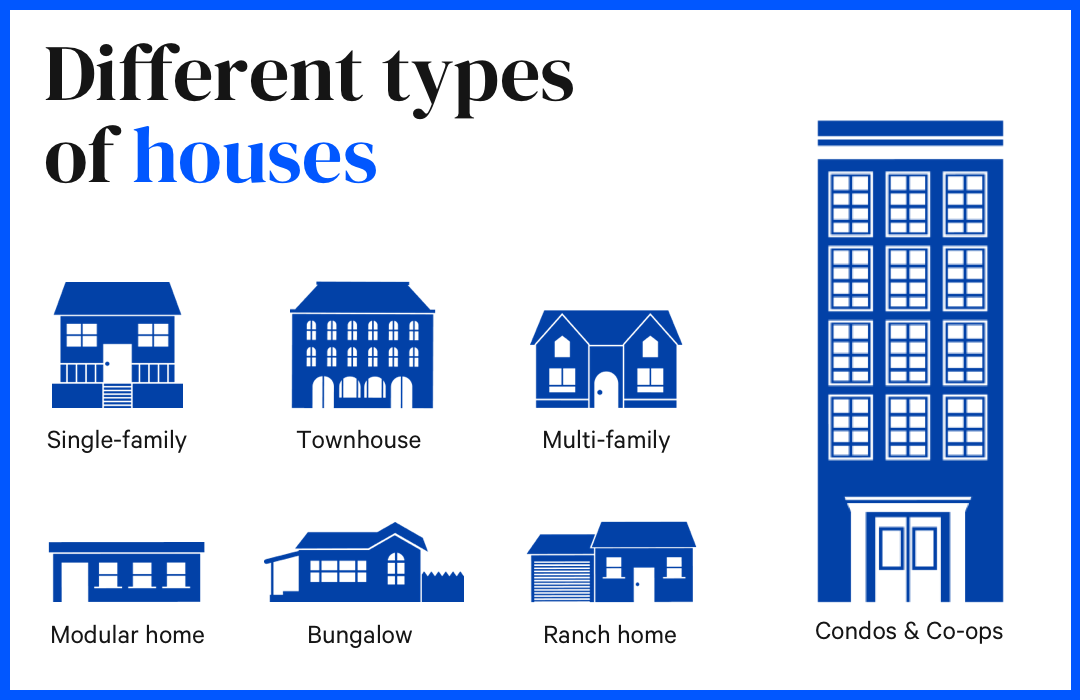

Buying a home is one of the most important financial and lifestyle decisions you’ll ever make. One of the first choices buyers face is deciding what type of home best fits their needs, lifestyle, and budget. From traditional single-family houses to modern condos and vacation homes, the real estate market offers many different options.
Understanding the different types of residential properties can help you make a smarter decision and avoid costly mistakes. Whether you’re a first-time buyer, an investor, or someone looking for a vacation property, knowing the pros and cons of each home type is essential.
In this guide, we’ll explore nine common types of homes buyers should consider before making a purchase.
1. Single-Family Home
A single-family home is the most traditional and popular type of residential property. It is a standalone structure that sits on its own land and is not connected to any other homes.
These homes usually offer more privacy, outdoor space, and flexibility compared to other housing options.
Key Features
-
Fully detached structure
-
Private yard or outdoor space
-
No shared walls with neighbors
-
Greater control over renovations and modifications
Pros
-
Maximum privacy
-
More living space
-
Freedom to customize the property
Cons
-
Higher purchase price compared to condos or townhouses
-
Maintenance and repairs are entirely your responsibility
Single-family homes are ideal for families, long-term homeowners, and buyers who want space and independence.
2. Townhouse
A townhouse is a multi-floor home that shares one or two walls with neighboring properties. These homes are usually located in planned communities and often come with homeowners’ association (HOA) rules.
Townhouses combine some benefits of single-family homes with the affordability of condos.
Key Features
-
Shared side walls
-
Multiple floors
-
Often include a small yard or patio
-
Usually part of an HOA-managed community
Pros
-
More affordable than single-family homes
-
Lower maintenance responsibilities
-
Community amenities in some developments
Cons
-
Less privacy than detached homes
-
HOA fees and rules
Townhouses are a great option for first-time buyers and young professionals who want a balance between space and affordability.
3. Condo (Condominium)
A condo is a privately owned unit within a larger building or complex. While you own the interior of the unit, shared areas such as hallways, gyms, pools, and landscaping are maintained by the homeowners’ association.
Condos are especially popular in urban areas and coastal locations.
Key Features
-
Individual units inside a larger building
-
Shared amenities and facilities
-
HOA-managed maintenance
Pros
-
Lower purchase price compared to houses
-
Minimal maintenance responsibilities
-
Access to amenities such as pools, gyms, and security
Cons
-
HOA fees
-
Limited customization
-
Shared walls and less privacy
Condos work well for first-time buyers, retirees, or people who prefer a low-maintenance lifestyle.
4. Duplex
A duplex is a residential building divided into two separate units. Each unit typically has its own entrance, kitchen, and living space.
This type of property is popular among buyers who want to live in one unit and rent out the other.
Key Features
-
Two separate living units
-
Can be side-by-side or stacked
-
Shared structure but separate entrances
Pros
-
Potential rental income
-
More affordable than buying two separate properties
-
Good investment opportunity
Cons
-
Less privacy than single-family homes
-
Shared building maintenance
Duplexes are excellent for investors or homeowners looking to offset their mortgage with rental income.
5. Multi-Family Home
A multi-family home includes properties that contain three or more separate housing units within the same building. Examples include triplexes and fourplexes.
These properties are often purchased by investors who want to generate steady rental income.
Key Features
-
Multiple housing units
-
Shared structure
-
Potential for multiple tenants
Pros
-
Strong rental income potential
-
Property appreciation over time
-
Can diversify rental income sources
Cons
-
Higher upfront cost
-
Requires property management
-
Financing can be more complex
Multi-family homes are best suited for real estate investors and experienced property owners.
6. Fixer-Upper
A fixer-upper is a property that requires repairs, upgrades, or renovations before it reaches its full value. These homes are usually priced lower than comparable move-in-ready homes.
Many buyers choose fixer-uppers because they offer the opportunity to build equity through renovations.
Key Features
-
Needs repairs or remodeling
-
Lower purchase price
-
Potential for increased value after renovation
Pros
-
More affordable entry into the housing market
-
Opportunity to customize the property
-
Potential for high return on investment
Cons
-
Renovation costs can add up
-
Time-consuming process
-
Requires planning and budgeting
Fixer-uppers are ideal for buyers who are comfortable with renovations or investors looking for value opportunities.
7. New Construction Home
A new construction home is a property that has recently been built and has never been lived in before. These homes often come with modern designs, updated materials, and energy-efficient features.
Key Features
-
Brand-new structure
-
Modern layouts and technology
-
Builder warranties
Pros
-
Minimal repairs and maintenance
-
Energy-efficient appliances and materials
-
Customization options during construction
Cons
-
Higher purchase price
-
Construction timelines can be delayed
-
Less mature landscaping or neighborhood development
New construction homes are great for buyers who want modern features and fewer maintenance issues.
8. Historic Home
A historic home is a property that has cultural, architectural, or historical significance. These homes are often located in historic districts and may have preservation guidelines.
Key Features
-
Unique architecture and craftsmanship
-
Historical significance
-
Often located in established neighborhoods
Pros
-
Unique character and charm
-
Often located in desirable neighborhoods
-
Strong long-term value
Cons
-
Maintenance can be expensive
-
Renovations may require special approvals
-
Older systems may need updates
Historic homes are perfect for buyers who appreciate character, architecture, and heritage.
9. Vacation Home
A vacation home is a property purchased primarily for seasonal use, holidays, or short-term rentals. These homes are typically located in tourist destinations such as beach towns, mountains, or resort communities.
Key Features
-
Used part-time by the owner
-
Often located in vacation destinations
-
Can generate rental income
Pros
-
Personal getaway property
-
Potential short-term rental income
-
Long-term appreciation in popular destinations
Cons
-
Additional maintenance costs
-
Property management if rented out
-
Seasonal demand fluctuations
Vacation homes are ideal for buyers who want a second home while also generating rental income.
Choosing the Right Type of Home
When deciding which type of home to buy, consider the following factors:
-
Your budget and financing options
-
Maintenance responsibilities you’re comfortable with
-
Long-term goals such as living, renting, or investing
-
Location and lifestyle preferences
-
Potential resale value and appreciation
Every buyer’s situation is different, and the right property type depends on your individual needs.
Final Thoughts
The real estate market offers a wide range of housing options, each with its own benefits and challenges. From single-family homes and condos to duplexes and vacation properties, understanding these different types of homes can help you make a more informed decision.
Before purchasing a property, take time to evaluate your lifestyle, financial goals, and long-term plans. With the right strategy, you can choose a home that not only fits your needs today but also supports your future growth and investment goals.
FAQs
What is the most common type of home in the United States?
Single-family homes are the most common residential property type in the U.S., especially in suburban areas.
Is a condo cheaper than a house?
Yes, condos are generally more affordable than single-family homes, but they usually come with HOA fees.
Are duplexes good investments?
Yes, duplexes can be great investments because they allow owners to live in one unit and rent the other.
What should first-time buyers consider when choosing a home type?
First-time buyers should consider affordability, maintenance responsibilities, location, and long-term plans.
Are vacation homes a good investment?
Vacation homes can be profitable if located in popular tourist destinations and managed properly for short-term rentals.