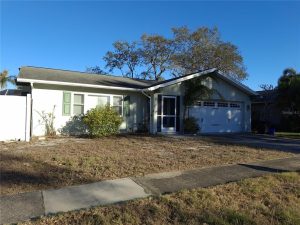

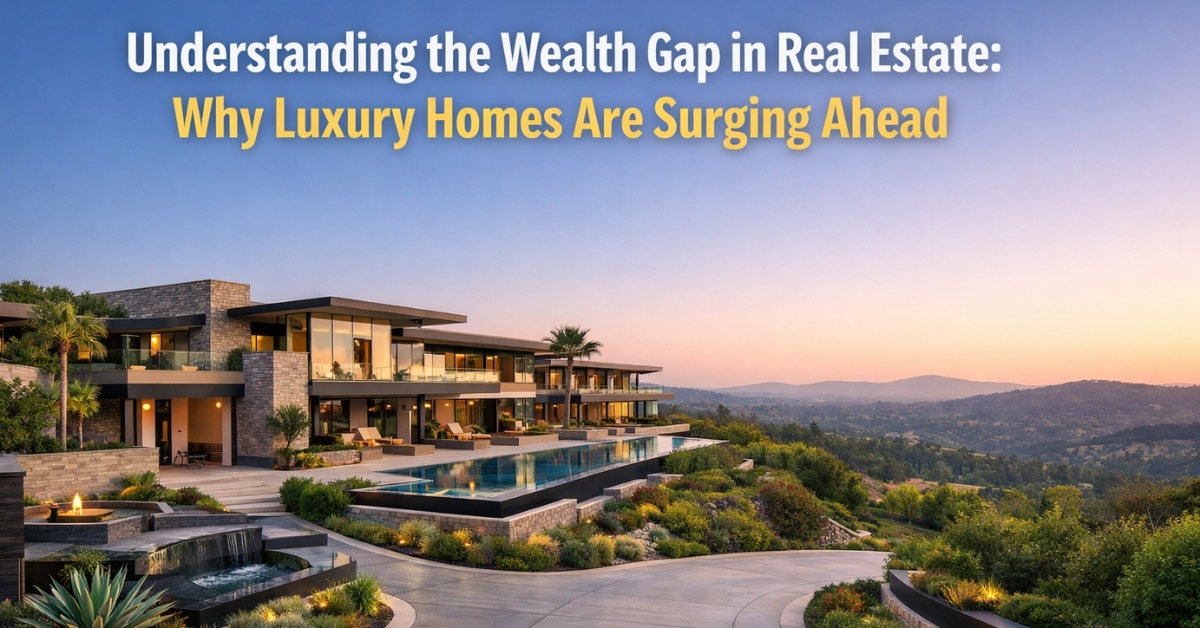

The real estate market has always been a reflection of economic dynamics, but recent trends reveal a widening wealth gap in real estate, particularly between luxury and typical home prices. Florida has emerged as a hotspot for this growing divide, with Miami surpassing New York City in the number of $1 million-plus listings. Understanding this phenomenon is crucial for buyers, investors, and real estate professionals alike.
Luxury vs. Median Home Prices Luxury homes are typically defined as properties in the top 10% of a market’s price range. In December 2025, the entry point for luxury homes nationally was $1.19 million, approximately three times the median home listing price of $399,950. While high-end sales can reach upwards of $50 million, these ultra-luxury homes represent a very small fraction of the market.
Despite these staggering numbers, the median home price in many markets has remained relatively stable. According to Anthony Smith, senior economist at Realtor.com, “Big gaps between luxury and typical home prices aren’t automatically a warning sign. They often point to markets that are highly segmented, where luxury behaves differently from the rest of the housing market.”
Florida: The Epicenter of Luxury Real Estate Florida stands out in the discussion of wealth gaps in real estate. Five metros in the state rank among the top 10 for the widest luxury gaps. Miami, in particular, has seen a dramatic surge in luxury listings, partially fueled by high-net-worth individuals relocating from the New York metro area. Realtor.com notes that 26.3% of Miami metro demand originates from New York.
This influx of wealth has created an environment where luxury, mega-luxury, and standard homes coexist side by side. However, these markets do not always impact each other. A surge in high-end sales rarely affects median home prices, illustrating the segmented nature of these real estate markets.
Why the Luxury Gap Exists Several factors contribute to the growing wealth gap in real estate:
- High-Net-Worth Migration: Wealthy individuals are moving to states like Florida for favorable tax policies, climate, and lifestyle. Their presence drives up luxury home prices without necessarily affecting the broader market.
- Market Segmentation: Luxury homes often have unique characteristics—prime locations, exclusive amenities, and limited availability—that distinguish them from typical homes.
- Global Investment: International investors increasingly view U.S. luxury real estate as a stable investment, further inflating high-end property prices.
- Supply Constraints: Limited inventory in desirable areas amplifies competition among luxury buyers, pushing prices higher.
Impact on the Average Homebuyer While the luxury segment may seem intimidating, its growth does not automatically translate to affordability issues for average homebuyers. Markets like Miami demonstrate that luxury and median-priced homes can move independently. This means that a surge in million-dollar listings does not necessarily make median homes unattainable for middle-income buyers.
However, the visible presence of mega-luxury homes can create a perception problem. Many potential buyers may feel priced out simply by observing the extremes of the market, even if the median segment remains stable.
Top Metros with the Widest Luxury Gaps According to Realtor.com, the top 10 U.S. metros with the largest disconnect between luxury and median home prices include:
- Miami, FL
- Naples, FL
- Tampa, FL
- Orlando, FL
- Fort Lauderdale, FL
- San Francisco, CA
- Los Angeles, CA
- Boston, MA
- Seattle, WA
- Bridgeport-Stamford, CT
In these markets, the luxury entry point can be multiple times higher than the median home price, emphasizing the segmented nature of these real estate landscapes.
The Future of Wealth Gaps in Real Estate Experts predict that the gap between luxury and median home prices will continue to expand, particularly in high-demand metros. Factors such as remote work, low interest rates, and favorable tax policies for wealthy residents will likely sustain luxury market growth.
Investors and real estate professionals must navigate this landscape carefully. Understanding which markets are highly segmented can provide opportunities for strategic investments without being exposed to volatility in the median home segment.
FAQs on Wealth Gap in Real Estate
Q1: What defines the luxury segment in real estate? A: Luxury homes are generally considered properties in the top 10% of a market’s listing prices. These homes often feature premium locations, high-end amenities, and unique architectural designs.
Q2: Does the growth of luxury homes affect median home prices? A: Not necessarily. In segmented markets like Miami, luxury and median home markets often move independently, meaning a surge in luxury listings doesn’t always impact the affordability of median-priced homes.
Q3: Why are Florida metros attracting so many high-net-worth buyers? A: Factors include favorable tax policies, warm climate, lifestyle amenities, and in some cases, migration from higher-tax states like New York.
Q4: Are ultra-luxury homes ($50M+) common? A: No. While these properties exist, they are rare and do not reflect the overall housing market trends.
Q5: How can average buyers navigate markets with large luxury gaps? A: Focus on median-priced neighborhoods and understand that luxury price spikes do not always impact affordability in the broader market.
Conclusion The wealth gap in real estate is becoming increasingly visible, especially in luxury-heavy markets like Florida. While ultra-luxury homes may dominate headlines, median home prices remain more stable than perceived. Understanding market segmentation, migration patterns, and investment trends can help buyers, investors, and professionals make informed decisions.
Sources Realtor.com – Miami Million Dollar Homes Report, December 2025