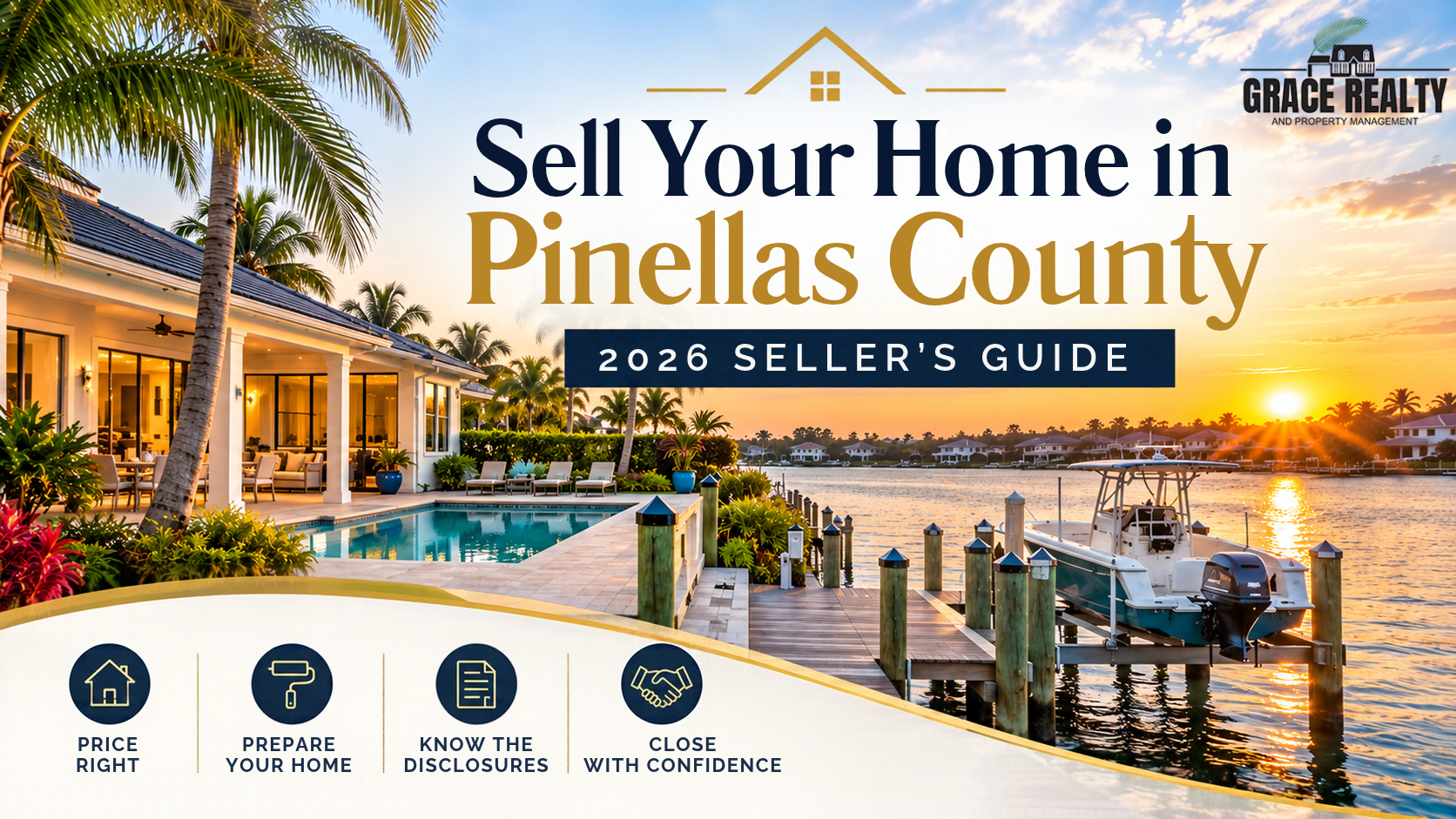

Picture this. You finish work, grab a drink, and watch the sun melt into the Gulf of Mexico. That’s not a vacation. For thousands of people, it’s a Tuesday in Pinellas County.
If you’re hunting for homes for sale in Pinellas County, you’ve picked a great place to start. But this market moves fast. It also comes with Florida-specific details, like flood zones and insurance, that can surprise even experienced buyers.
This guide walks you through it all. Whether you’re a first-time buyer, a growing family, or an investor, you’ll know exactly what to do next.
Why So Many People Choose Pinellas County
Pinellas is a peninsula. Water sits on three sides, so beaches, bays, and boating are never far away.
But it’s not only about the views. The county packs a lot into a small space:
- Beaches: Clearwater Beach and St. Pete Beach regularly rank among the best in the country.
- Culture: Downtown St. Petersburg has museums, murals, and a busy food scene.
- Convenience: Tampa and its airport are a short drive away.
- Variety: You can find condos, townhomes, ranch-style houses, and luxury waterfront estates.
Because of that mix, buyers with very different budgets and goals all find something here.
Know the Neighborhoods Before You Tour
Every area has its own personality. A quick overview helps you narrow your search.
St. Petersburg is lively and walkable. Many buyers love the arts, breweries, and historic homes. Neighborhoods like Old Northeast and Snell Isle are popular, and prices vary a lot from block to block.
Clearwater blends beach living with family-friendly suburbs. You’ll find everything from starter homes to bayfront properties.
Largo, Seminole, and Pinellas Park often attract buyers who want more space for their money. They’re also close to major roads and shopping.
Dunedin and Tarpon Springs offer a small-town feel with charming downtowns. They’re a favorite for relocating families and retirees.
The beach communities appeal to second-home buyers and investors. Expect more competition, plus extra insurance and maintenance costs.
Tip: Visit each area at different times of day. A quiet street at noon might feel very different at 6 p.m.
What Does It Really Cost to Buy Here?
The listing price is only part of the story. Smart buyers plan for the full picture.
Here are the main costs to expect:
- Down payment. This varies by loan type. Some loans allow low down payments, while others require more.
- Closing costs. These usually include lender fees, title services, and prepaid items.
- Homeowners insurance. In Florida, this can be a major monthly expense.
- Flood insurance. It’s required in many high-risk zones if you have a mortgage.
- Property taxes. Rates depend on the area and the home’s assessed value.
- HOA or condo fees. These can add up, so ask early.
Rates and premiums change often. Check current figures with a lender and an insurance agent before you make an offer.
Flood Zones and Insurance: The Step Many Buyers Skip
This is the part that surprises people most.
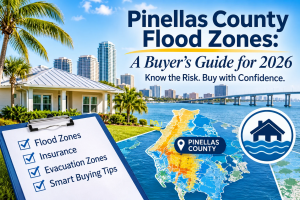
Pinellas County is surrounded by water, so flood risk matters. Two homes a few streets apart can have very different insurance costs.
Here’s how to stay ahead of it:
- Check the flood zone first. Use the FEMA Flood Map Service Center to look up any address.
- Ask for an elevation certificate. It can help lower your insurance quote.
- Get quotes before you commit. Do this during your inspection period, not after.
- Look at the roof, windows, and age of the home. These affect wind insurance rates.
None of this should scare you. It just means you should buy with your eyes open. A good local agent will help you sort it out early.
A Step-by-Step Plan for First-Time Buyers
Buying your first home feels like a lot. Break it into small steps and it gets much easier.
Step 1: Check your finances. Review your credit score, savings, and monthly budget.
Step 2: Get pre-approved. A pre-approval letter shows sellers you’re serious. It also tells you what you can truly afford.
Step 3: Explore assistance programs. Florida offers down payment and closing cost help for qualifying buyers. The Florida Housing Finance Corporation lists current options, so see if you qualify.
Step 4: Work with a local agent. An agent who knows Pinellas can spot problems and opportunities you’d miss.
Step 5: Tour homes and compare. Keep a simple list of must-haves and nice-to-haves.
Step 6: Make an offer and inspect. Always get a home inspection. In Florida, consider adding a wind mitigation inspection and a 4-point inspection for older homes.
Step 7: Close and celebrate. Do a final walk-through, sign the papers, and get your keys.
Moving to Florida? Read This First
Relocating families have extra questions. Here are the big ones.
Can I buy before I move? Yes. Many out-of-state buyers tour virtually or take a quick trip, then close remotely.
What about the Florida homestead exemption? If the home will be your permanent residence, you may qualify for a property tax break. The Pinellas County Property Appraiser explains how to apply.
What about schools? Research school zones early. Boundaries can affect both your commute and your home’s value.
What about hurricane season? Ask about the home’s age, roof, and storm protection. Then plan your insurance carefully.
Selling a Home in Pinellas County?
Buyers aren’t the only ones who benefit from local knowledge.
If you’re thinking about selling, start with pricing. Overpriced homes sit longer and often sell for less in the end. Next, make small, smart updates. Fresh paint, clean landscaping, and good photos go a long way.
Finally, be ready to share details about insurance, roof age, and past repairs. Buyers here ask about them first.
Investing in Pinellas County Real Estate
Investors love Tampa Bay for steady rental demand and a growing population. Still, success comes down to the numbers.
Before you buy, review:
- Expected rent versus total monthly costs
- Insurance and flood risk
- HOA rules about rentals
- Local short-term rental regulations
- Long-term appreciation in the specific neighborhood
Rules can change by city, so verify them before you invest.
How to Choose the Right Real Estate Partner
The right agent saves you time, money, and stress. Look for someone who:
- Knows the neighborhoods, not just the listings
- Explains insurance and flood risks clearly
- Answers quickly and honestly
- Has experience with buyers, sellers, and investors
That’s the approach we take at Grace Realty. You can search homes for sale in Pinellas County, browse our featured listings, or talk with a local agent anytime.
Ready to Find Your Pinellas County Home?
The right home is out there. With the right plan, you can find it without the guesswork.
Start by learning the neighborhoods. Then check flood zones, line up your financing, and lean on a local expert. Do that, and you’ll be watching those Gulf sunsets sooner than you think.
FAQ Section
How much do I need to buy a home in Pinellas County?
It depends on the price and loan type. Plan for a down payment, closing costs, and cash reserves. A lender can give you exact numbers after pre-approval.
Is flood insurance required in Pinellas County?
If your home is in a high-risk flood zone and you have a federally backed mortgage, yes. Even outside those zones, many buyers choose to carry it.
What is the best area in Pinellas County for families?
Popular choices include Largo, Dunedin, Clearwater, and parts of St. Petersburg. The best fit depends on your budget, commute, and school preferences.
Can first-time buyers get help in Florida?
Yes. Programs may offer down payment or closing cost assistance. Check the Florida Housing Finance Corporation for current eligibility.
Can I buy a home in Florida from out of state?
Yes. Many buyers tour virtually, work with a local agent, and close remotely.
Is Pinellas County a good place to invest in real estate?
Many investors find it attractive because of strong rental demand. Always review insurance costs, HOA rules, and local rental laws first.