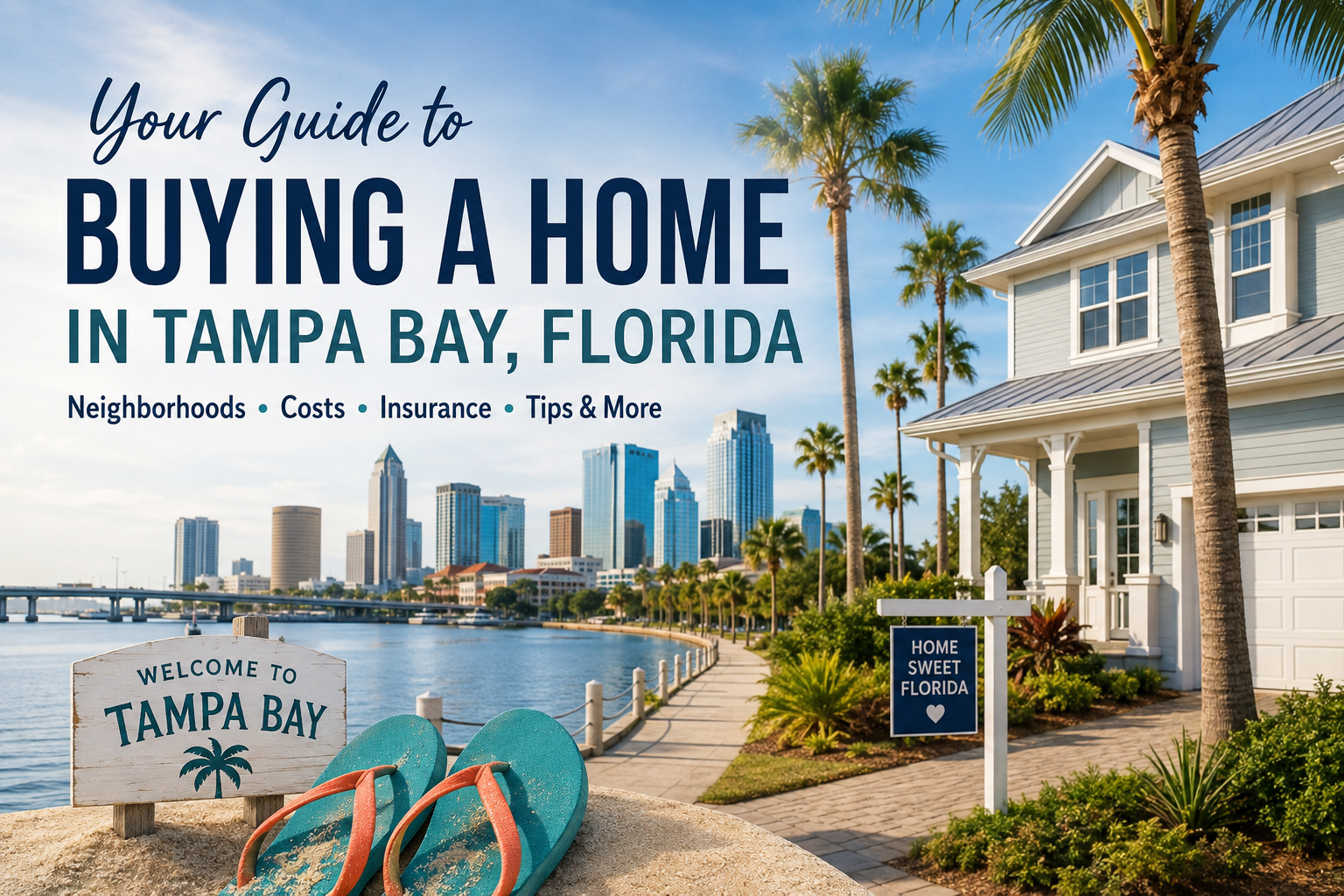

So you’re thinking about trading snow shovels for flip-flops.
You’re not alone. Every year, thousands of families pack up and head to Florida, and Tampa Bay is one of the top places they land. Between the beaches, the job growth, and the no-state-income-tax perk, it’s easy to see why.
But moving to a new state (or even a new city within Florida) is a big decision. Buying a home here works a little differently than it does up north. Insurance costs more. Flood zones matter. And the market moves fast.
This guide walks you through everything you need to know about buying a home in Tampa Bay, whether you’re a first-time buyer, a growing family, or an investor looking for your next property. And if you’d rather skip ahead, our team at Grace Realty is always happy to talk through your specific situation.
Why People Keep Moving to Tampa Bay
Tampa Bay isn’t just one city. It’s a whole region that includes Tampa, St. Petersburg, Clearwater, and dozens of smaller communities tucked along the coast.
Here’s what draws people in:
- No state income tax. Florida is one of the few states that doesn’t tax personal income, which matters a lot if you’re relocating for work or retirement.
- A strong job market. Tampa has become a hub for finance, healthcare, and tech companies, with steady job growth over the past several years.
- Beaches, boating, and year-round sunshine. You can go from your office to a sunset paddleboard session in under 20 minutes in most parts of the bay.
- A mix of city and small-town living. Downtown Tampa feels urban and energetic, while nearby suburbs like Wesley Chapel or Palm Harbor offer quieter, family-friendly streets.
If you’re relocating from out of state, it helps to think of Tampa Bay less as one market and more as a collection of smaller markets, each with its own personality and price point.
Best Neighborhoods to Consider
Every buyer has different priorities, so there’s no single “best” neighborhood. Here’s a quick breakdown based on what you’re looking for.
For families: Areas like Westchase, Carrollwood, and Palm Harbor offer good schools, sidewalks, and family-oriented amenities without the downtown price tag.
For young professionals: Downtown St. Petersburg and Tampa’s Hyde Park neighborhood put you close to restaurants, nightlife, and walkable streets.
For retirees: Communities in Clearwater and Dunedin tend to be quieter, with easy beach access and a slower pace.
For investors: Up-and-coming areas near USF or along the I-4 corridor often show strong rental demand and appreciation potential.
If you’re not sure where to start, browsing homes by neighborhood is a great way to narrow things down. You can search Tampa Bay homes for sale by area, price, and features to get a feel for what fits your budget.
What Homes Actually Cost in Tampa Bay
Home prices vary a lot depending on the neighborhood, proximity to water, and how new the property is.
As a general rule, buyers relocating from higher-cost states like New York or California often find Tampa Bay prices refreshing. But compared to some other parts of Florida, or to what the market looked like five years ago, prices here have climbed steadily.
Rather than relying on outdated national averages, the best move is to check current, hyperlocal pricing. Florida Realtors publishes regular market reports with up-to-date median prices by county, which gives a much clearer picture than a national headline number. Browsing our featured Tampa Bay listings is another easy way to get a real feel for current pricing across different neighborhoods.
The Insurance and Tax Side Nobody Warns You About
This is the part that surprises a lot of new Florida buyers.
Homeowners insurance costs more here. Florida’s exposure to hurricanes and severe storms means insurance premiums tend to run higher than in many other states. It’s smart to get an insurance quote early in your home search, not after you’re under contract, so there are no surprises at closing.
Flood zones matter. Not every home in Tampa Bay sits in a flood zone, but many do, especially closer to the coast. Before falling in love with a property, check its flood zone status through FEMA’s flood map tool. A home in a high-risk zone may require separate flood insurance, which adds to your monthly costs.
Property taxes work differently. Florida offers a homestead exemption that reduces the taxable value of your primary residence, which can lead to meaningful savings over time. Florida lawmakers have also proposed additional property tax changes for 2026, so it’s worth checking the latest rules through the Florida Department of Revenue or asking your agent for current guidance.
None of this should scare you off. It just means it pays to build these costs into your budget from day one, rather than discovering them at the closing table.
Buying a Home in Tampa Bay: The Step-by-Step Process
If you’ve bought a home before, most of this will feel familiar. But a few steps carry extra weight in Florida’s market.
- Get pre-approved before you start touring homes. Competitive listings in popular neighborhoods can move within days.
- Work with a local agent who knows flood zones and insurance quirks. This is where an out-of-state buyer benefits most from local expertise.
- Schedule a home inspection and a four-point inspection. Older homes in Florida often need a four-point inspection covering the roof, electrical, plumbing, and HVAC systems, which many insurers require.
- Get your insurance quote locked in early. Don’t wait until the final week before closing.
- Review the flood zone and elevation certificate, if applicable. This affects both your insurance rate and your peace of mind.
- Close and get your keys. In Florida, closings are typically handled by a title company or real estate attorney.
Having a local guide through this process makes a real difference, especially if you’re relocating from another state and can’t easily visit in person multiple times. Connecting with a local agent early in your search can save you from a lot of guesswork.
A Quick Word for Investors
Tampa Bay has become a popular market for real estate investors, thanks to steady population growth and consistent rental demand. Short-term rentals near the beaches can perform well, but it’s important to check local zoning and short-term rental rules before buying, since regulations vary by city and county.
Longer-term rentals near universities, hospitals, and major employers tend to offer more predictable, stable returns.
A Quick Word for Sellers Thinking About Their Next Move
If you already own in Tampa Bay and you’re weighing whether to sell before buying your next home, timing matters. In a competitive market, selling first can put you in a stronger position to make a confident offer on your next property, since you’ll know exactly what you have to work with.
Frequently Asked Questions
Is Tampa Bay a good place to relocate to from out of state? Yes, for many buyers. Tampa Bay offers no state income tax, a growing job market, and year-round warm weather, which makes it appealing to families, professionals, and retirees relocating from higher-cost or colder states.
Do I need flood insurance to buy a home in Tampa Bay? Not every home requires flood insurance, but many properties near the coast sit in FEMA-designated flood zones that do require it. Checking a property’s flood zone status early in your search helps you budget accurately.
How much are property taxes in Tampa Bay, Florida? Property tax rates vary by county and city, but Florida’s homestead exemption can reduce the taxable value of a primary residence. It’s best to confirm current rates and exemptions with a local agent or the county property appraiser’s office.
Is now a good time to buy a home in Tampa Bay? Market timing depends on your personal situation, budget, and goals. Working with a local agent who tracks current inventory and pricing trends is the best way to know if now makes sense for you specifically.
What’s the best neighborhood in Tampa Bay for a first-time home buyer? It depends on your budget and lifestyle. Family-friendly suburbs like Carrollwood and Palm Harbor tend to offer good value, while walkable areas like downtown St. Petersburg suit buyers who want to be close to restaurants and nightlife.
Ready to Make Tampa Bay Home?
Relocating to a new state is a big step, but you don’t have to figure it out alone. Whether you’re buying your first home, searching for an investment property, or planning your move as a family, a local expert can help you avoid costly surprises and find the right fit.
Browse current Tampa Bay listings, check out more Florida home-buying tips on our blog, or reach out to Grace Realty today to start the conversation. We’re here to help make your move to Florida feel less overwhelming and a lot more exciting.